
Categories
WellMind

Mental Health Deserves Collaboration Between Psychiatry & Primary Care

Bridging Mind and Body

The Overlooked Connection Between Mental and Physical Health

In modern medicine, patients often see multiple specialists for different health concerns—yet the mind and body rarely heal in isolation. Mood, stress, and sleep patterns affect blood pressure, glucose control, immunity, and even recovery from surgery. As a concierge internal-medicine physician, I’ve seen how much better my patients do when their mental health is treated as part of their overall medical plan.

That’s why collaboration with psychiatrists like Dr. Willy Philias is so important. His clinical expertise in diagnosing and managing anxiety, depression, and cognitive changes complements primary-care medicine beautifully. Together, we help patients achieve balanced well-being that lasts beyond prescriptions and office visits.

When to Talk to Both Doctors

Patients often tell me they hesitate to mention emotional changes or stress during routine checkups. Yet symptoms such as fatigue, loss of interest, memory lapses, or irritability can be early signs of a mental-health condition—or sometimes an underlying medical one like thyroid imbalance or vitamin deficiency.

When I recognize these concerns, I encourage a referral to Dr. Philias for a comprehensive psychiatric evaluation. Likewise, when his patients show new medical symptoms or lab abnormalities, he communicates with me directly so we can close the loop. This kind of open exchange ensures no aspect of the patient’s health is overlooked.

Sharing Medical Information for Seamless Care

With patient permission, Dr. Philias and I share relevant health data—lab results, medication lists, and progress notes—to align our care plans. This reduces duplicate prescriptions and prevents drug interactions that can occur when antidepressants, blood-pressure medications, or supplements overlap.

Our collaboration also allows us to track how emotional health influences physical conditions like hypertension, diabetes, and chronic pain. When treatment plans are synchronized, patients report improved energy, clearer thinking, and fewer hospitalizations.

Creating a Comprehensive Care Plan

A collaborative plan means both physicians focus on prevention as much as treatment. I monitor vital signs, hormone levels, and nutrition while Dr. Philias manages mood, cognition, and medication balance. Together, we may recommend lifestyle changes—such as exercise programs, IV nutrient support, or sleep-optimization strategies—that benefit the entire person.

The result is a comprehensive, concierge-level approach where patients feel supported by two physicians working in harmony toward the same goal: restoring health, confidence, and peace of mind.

The Power of Integrated Medicine in Palm Beach County

For patients living in Palm Beach Gardens, Jupiter, Boca Raton, Delray Beach, or Wellington, having both a trusted primary-care physician and a dedicated psychiatrist makes a measurable difference. Through joint follow-up visits, shared medical records, and personal communication, we provide care that is not only effective but also profoundly human.

If you or a loved one are navigating both physical and emotional health challenges, consider building a team that collaborates. Your body and mind deserve physicians who see—and treat—you as a whole.

About the Physicians

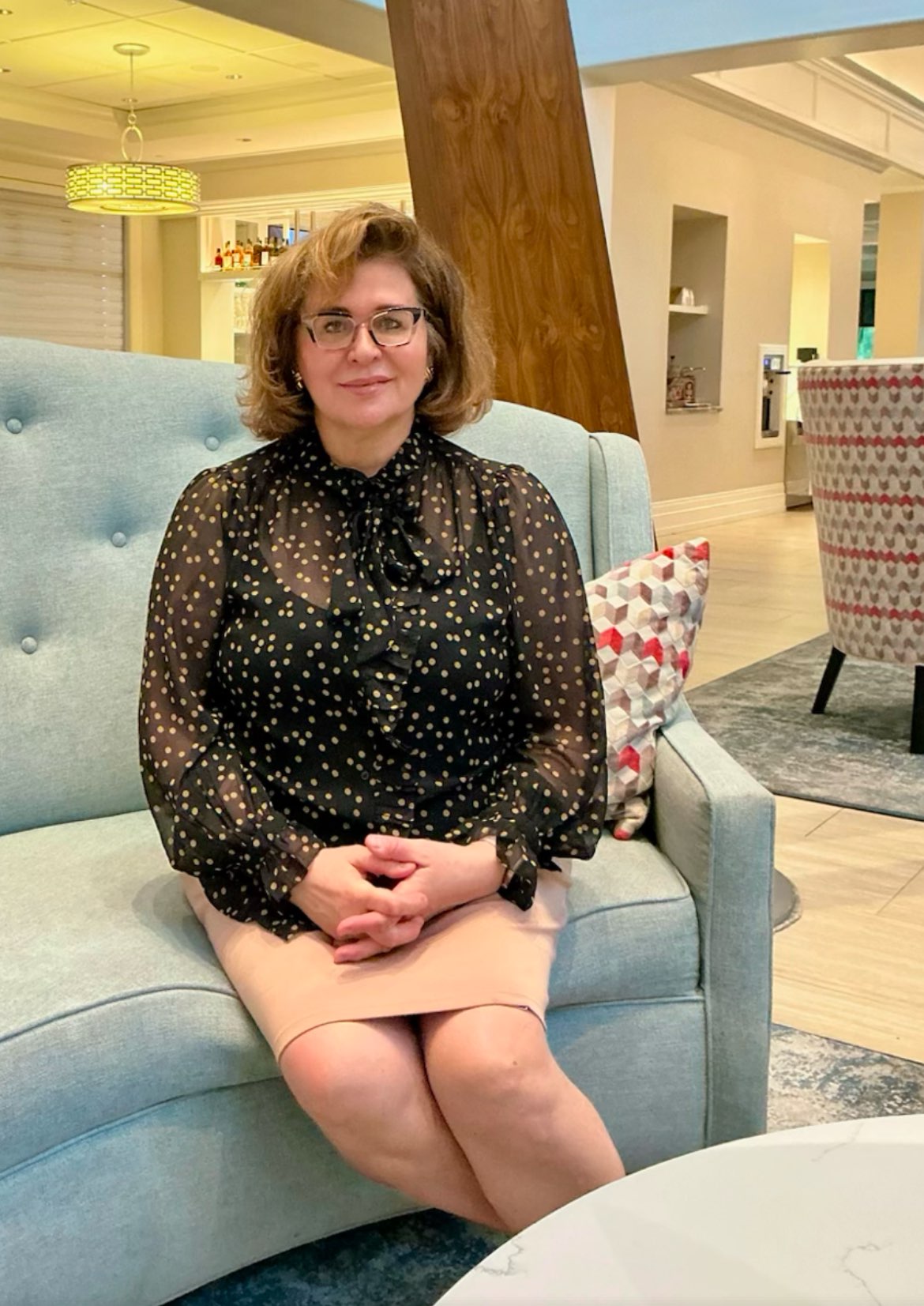
Alla Weisz, MD is a concierge primary care and family-medicine physician based in Palm Beach Gardens, Florida, providing preventive, personalized, and relationship-based medical care.

Willy Philias, MD is a concierge psychiatrist and geriatric-mental-health specialist at WP Blue Horizon Psychiatry, serving Palm Beach County adults and seniors with individualized psychiatric evaluation, medication management, and cognitive care.


Categories
WellMind

Geriatric Psychiatry for Aging Parents in Palm Beach County:

Medical Supervision for Dementia and Medication Concerns

For many baby boomers living in Palm Beach, Jupiter Island, Wellington, Boynton Beach, Singer Island, Juno Beach, and Tequesta, balancing family life while caring for an aging parent with cognitive or emotional changes is becoming increasingly common. As memory problems, mood swings, and medication complications arise, adult children often feel overwhelmed and uncertain where to turn. Fortunately, geriatric psychiatrist Dr. Willy Philias specializes in helping families manage these challenges with compassion, clinical precision, and long-term support.

Psychiatric Medication Management in Seniors: Avoiding Polypharmacy in Palm Beach County

Older adults are often prescribed multiple medications by different providers, increasing the risk of polypharmacy—a dangerous combination of overlapping drugs. Dr. Philias, a trusted psychiatrist for seniors in Palm Beach County, carefully reviews all medications, eliminates unnecessary prescriptions, and ensures treatments do not interfere with each other. His expertise in psychotic medication adjustments helps reduce agitation, paranoia, or hallucinations while avoiding adverse effects that can worsen confusion or frailty.

Dementia Psychiatry and Cognitive Support in Jupiter Island, Singer Island, and Beyond

If your parent is showing signs of memory decline, confusion, or behavioral changes, it may be linked to early dementia-related cognitive issues. Dr. Philias specializes in psychiatry for dementia, focusing on treatment plans that preserve cognitive function while improving mood, focus, and daily functioning. By addressing the psychiatric components of dementia—including depression, anxiety, and delusions—Dr. Philias helps families better understand and navigate the progression of neurocognitive disorders.

Improving Quality of Life for Elderly Patients in Wellington, Boynton Beach, and Tequesta

Dr. Philias’s approach to geriatric psychiatry goes beyond medication. He aims to enhance overall quality of life through careful treatment of sleep issues, anxiety, emotional instability, and personality changes that often occur with aging and neurological decline. His goal is to stabilize symptoms while minimizing side effects that could impair independence, mobility, or social interaction—helping aging loved ones remain engaged and comfortable at home or in their community.

Long-Term Psychiatric Care for Seniors in Juno Beach and Palm Beach County

As a leading provider of long-term psychiatric care for elderly patients in Palm Beach County, Dr. Philias develops sustainable treatment plans that evolve with each patient’s changing health needs. Whether your loved one lives in Juno Beach, Jupiter Island, or Boynton Beach, having a reliable and experienced geriatric psychiatrist provides peace of mind and reduces the burden on family caregivers. His personalized approach fosters stability, safety, and dignity for aging adults navigating complex mental health concerns.

Categories
WellMind

How a Positive Outlook Shapes Your Mental Health

Calling The Light Within with Positivity

In the midst of life’s most difficult moments—whether grief, illness, loss, or personal hardship—it’s easy to feel overwhelmed by darkness. Mental health challenges can intensify these feelings, making the world appear hopeless and directionless. Yet time and time again, research and lived experience affirm a profound truth: maintaining a positive outlook can significantly shape your emotional resilience, mental well-being, and ability to endure life’s storms.

The Power of Perspective

A positive outlook is not about denial or forced cheerfulness. Rather, it is the intentional choice to seek meaning, growth, and possibility—even when pain is present. Psychologists refer to this as optimistic resilience—the ability to remain hopeful and forward-looking in the face of adversity.

Studies have shown that people with a positive mindset tend to experience:

  • Lower rates of depression and anxiety
  • Improved immune function
  • Greater psychological flexibility
  • More adaptive stress responses

This mindset allows you to view challenges not as permanent catastrophes, but as temporary trials that hold the potential for personal growth. When you approach hardship with the belief that things can improve, you’re more likely to take constructive actions, reach out for help, and cultivate inner strength.

Signs from the Universe: A Sense of Connection Beyond Ourselves

Many individuals—especially during their darkest hours—report feeling a deep sense that they are not alone, that something greater than themselves is present. This can come in the form of unexpected kindness, a meaningful coincidence, a comforting dream, or a subtle sign—often interpreted as the universe offering reassurance, protection, or purpose.

This belief is not merely spiritual—it can be psychologically healing. Knowing or even feeling that there is something bigger at play can give people the strength to keep going. It’s a reminder that life, even at its most painful, is still sacred and interconnected. For some, it’s the presence of a loved one who passed away. For others, it’s the quiet whisper of faith that tomorrow will be brighter.

These signs, whether interpreted through a spiritual, religious, or intuitive lens, serve an important psychological role: they remind us we matter, we’re watched over, and we’re not forgotten.

Cultivating Positivity and Openness to Meaning

So how do we stay grounded in a positive outlook and open ourselves to meaning when the world feels heavy?

  1. Practice Gratitude Daily: Even a single moment of appreciation—sunlight on your face, a kind word from a friend—can shift your chemistry toward hope.
  2. Reflect, Don’t Suppress: Allow yourself to feel sadness or pain, but balance it with reflection on how you’ve grown, what you’ve learned, or who’s shown up for you.
  3. Ask for Signs: If you believe in a higher power or the universe’s guidance, ask for reassurance. Then stay open—you may find answers in surprising places.
  4. Surround Yourself with Support: Positivity is contagious. Being around people who uplift you can help you regain your sense of purpose and possibility.
  5. Stay Present: In dark times, the future can feel uncertain. Focus on just one day, one breath, one moment at a time.

Final Thoughts: Holding Onto Hope

Hope is not passive—it’s an act of courage. Choosing to believe in the possibility of healing, of unseen support, or of hidden meaning during hard times is one of the most powerful tools we have in protecting our mental health. Whether you find comfort in faith, the universe, or the simple strength of the human spirit, you are never truly alone.

Even in darkness, a single spark of hope can light the path forward. And when you look closely, you may just find that the universe has been leaving signs all along—reminding you that you are seen, loved, and stronger than you know.

© 2026 palmbeachmdpsychiatry.com | Sitemap